
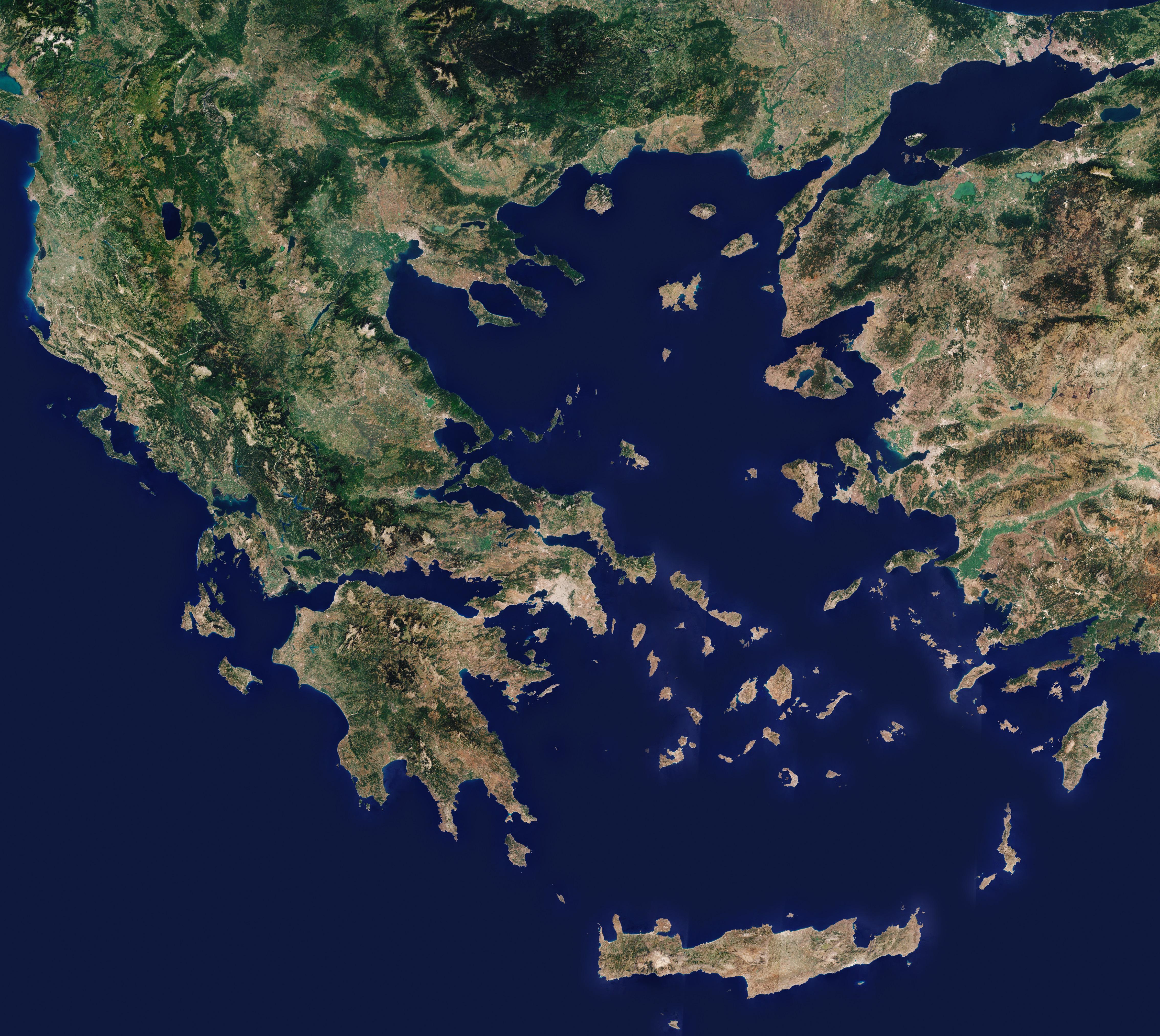
In a dramatic shift that underscores the deepening military rivalry in the Eastern Mediterranean, Greek Defense Minister Nikos Dendias has declared a fundamental overhaul of Greece's defense doctrine. Speaking at a recent conference in Athens, Dendias articulated a vision for a "complete defense ecosystem" that leverages advanced technology to compensate for any numerical disadvantage, pointing directly at Türkiye as the primary security threat.
The most significant change involves moving away from the traditional reliance on the Hellenic Navy's large warships and the Air Force's combat aviation for the primary defense of the Aegean Sea. Dendias argued that expensive modern frigates, costing up to €1 billion each, are highly vulnerable to inexpensive drone attacks in the narrow waters of the Aegean.
"The Aegean will not be protected solely by the navy," Dendias stated. "It will be protected primarily by mobile missile systems deployed across hundreds – if not thousands – of islands. We will seal off the Aegean Sea from land."
This strategy, part of Greece's broader "Agenda 2030" and dubbed the "Achilles' Shield" concept, is focused on deploying ground-based anti-air and anti-ship missile systems across the islands. This move, according to Dendias, will grant the Navy "freedom of action" in wider areas and provide a strong deterrent capacity, including equipping new frigates with strategic missiles boasting a range of over 1,500 km.
Procurement Moves Ahead Despite Strategy Shift
While the new doctrine emphasizes land-based defense, Greece is moving forward with significant procurements of high-end equipment, reflecting a dual-pronged approach to modernization.
- Naval Acquisitions: Greece is set to receive its first French-built Frigate (FDI-class) soon. Furthermore, the Hellenic Navy is planning a major upgrade to its existing fleet and has moved to acquire a fourth FDI frigate, Themistocles, which will be built to the advanced Standard 2++ specification and integrated with long-range ballistic missile systems under the European Long-Range Strike Approach (ELSA).
- Air Force Modernization: The Air Force's modernization is also on track. Greece has formally accepted a Letter of Offer and Acceptance from the US for the purchase of an initial squadron of 20 F-35 fighter jets, with an option for 20 more, scheduled for delivery starting around 2028. This is in addition to the ongoing upgrade of 84 F-16s to the Viper standard and the recent delivery of French-made Rafale fighter jets.
- Technology Focus: The new approach heavily relies on technology, with the development and deployment of Greek-made anti-drone systems like Centaur, Orion, and Tilemahos.
Türkiye Condemns 'Illegal' Militarization and Treaty Breaches
Türkiye's reaction to the missile deployment plan has been swift and severe, framing Greece's actions as an illegal provocation and a gross violation of international law. Turkish media, notably Milliyet and Daily Sabah, have published sharp criticisms, accusing Dendias of "drowning the law in the Aegean" and threatening the regional climate.
Ankara's core argument rests on a series of foundational international agreements that mandate the demilitarization of the Eastern Aegean islands. These include:
- The 1914 Decision of the Six Great Powers: This resolution, which ceded the islands to Greece, placed them under a non-military status to ensure Turkish security.
- The 1923 Treaty of Lausanne: Articles 12 and 13 of the Treaty affirm the non-military status of islands like Lesvos, Chios, Samos, and Ikaria, prohibiting the establishment of naval bases and fortifications.
- The 1947 Treaty of Paris: This agreement transferred the Dodecanese islands (including Rhodes, Kos, and Meis/Kastellorizo) from Italy to Greece on the explicit condition that they "shall be and shall remain demilitarized."
Ankara contends that the continued and escalating military presence on these islands, now augmented by plans for mobile missile systems, constitutes a material breach of these treaties. Retired Turkish Ambassador Uluç Özülker went as far as to label the new defense programs as a posture "bordering on a declaration of war," raising the stakes for a diplomatic resolution.
The new defense doctrine highlights a concerning trend where military modernization is increasingly tied to the geopolitical fault lines of the region. As Greece pursues its ambitious defense program and Türkiye raises its objections, the potential for a technological arms race in the Aegean presents a major challenge to the fragile stability between the two NATO members.